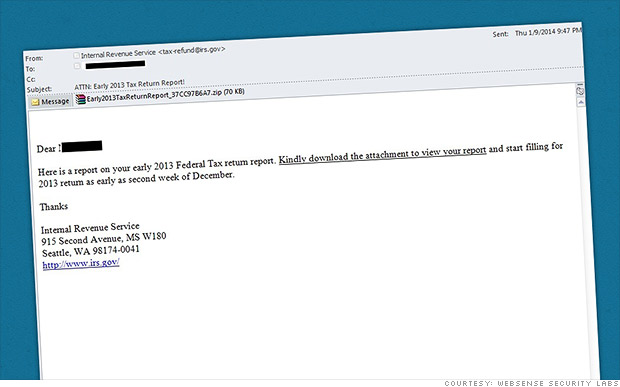


Web users will face billions of dollars in new taxes if Congress allows a ban on Internet taxes to expire in December.
The Internet Tax Freedom Act prevents state and local governments from taxing Internet use, and has been reauthorized every three years since 1998. If it is not reauthorized in December, consumers and businesses could face $14.7 billion in new taxes, according to a new American Action Forum report.
Extension of the ban has wide support in Congress, but this time it could be linked to a much more controversial bill, the Marketplace Fairness Act, that would allow states to collect a sales tax on Internet goods sold in the state by companies located online or outside of the state.
TweetMe Please

 Lawyers and economists know that there are two primary purposes of taxes: one is to raise funds for the government; the other is to discourage activity. If we want less of something, we tax it. For example, if the federal government raised the tax rate on cigarettes or alcohol, it might raise more revenue, but the primary purpose of the tax is to discourage the activity taxed, to change behavior.
.jpg)


 Every Spring, as the tax-filing season gets into full swing, a passel of anti-tax lobbying organizations attempts to scare and outrage the public by pointing to our supposedly high and oppressive taxes. Most of those organizations use the April 15 filing deadline as an occasion to inveigh against Leviathan, taking advantage of the press’s reliable desire to find tax-relevant stories for a few weeks in late March and early April.