

april 16, 2013 by david j. shestokas
filed under: constitution educational series tagged with: bill of rights, constitution,federalism, founding fathers, independence, natural law, separation of power,sovereignty
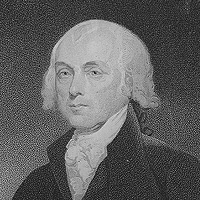 “The federal and State governments are in fact but different agents and trustees of the people, constituted with different powers, and designed for different purposes.”
James Madison The Federalist, No.46
The American freedoms of religion, speech, press and assembly as protected and practiced were new to the world. Those contributions to the world’s political thought were uniquely American. So it is with the concept of federalism. The establishment of multiple layers of government with divided sovereignty over the same territory each responsible for different aspects of life was a unique American development as well.
Dictionary Definitions of Federalism Do Not Reflect American Federalism
According to Merriam-Webster: Federalism is the distribution of power in an organization (as a government) between a central authority and the constituent units. The Free Dictionary defines the term as: A system of government in which power is divided between a central authority and constituent political units.
The dictionaries speak of divided authority, but fail the mention the key to American Federalism. The American Constitution, uniquely in history divided “sovereignty”.1 By consent of the people “sovereignty” over subject matter was divided among governmental units.
The Declaration of Independence outlined the Natural Law basis for the legal establishment of the United States. Natural Law begins with a sovereign individual that for his own benefit grants certain aspects of his sovereignty to society.
Please RT - THANKS!
Comments?
.jpg)

No comments:
Post a Comment